Vietnam Immigration Fees: Visa, Extension, Residence Card
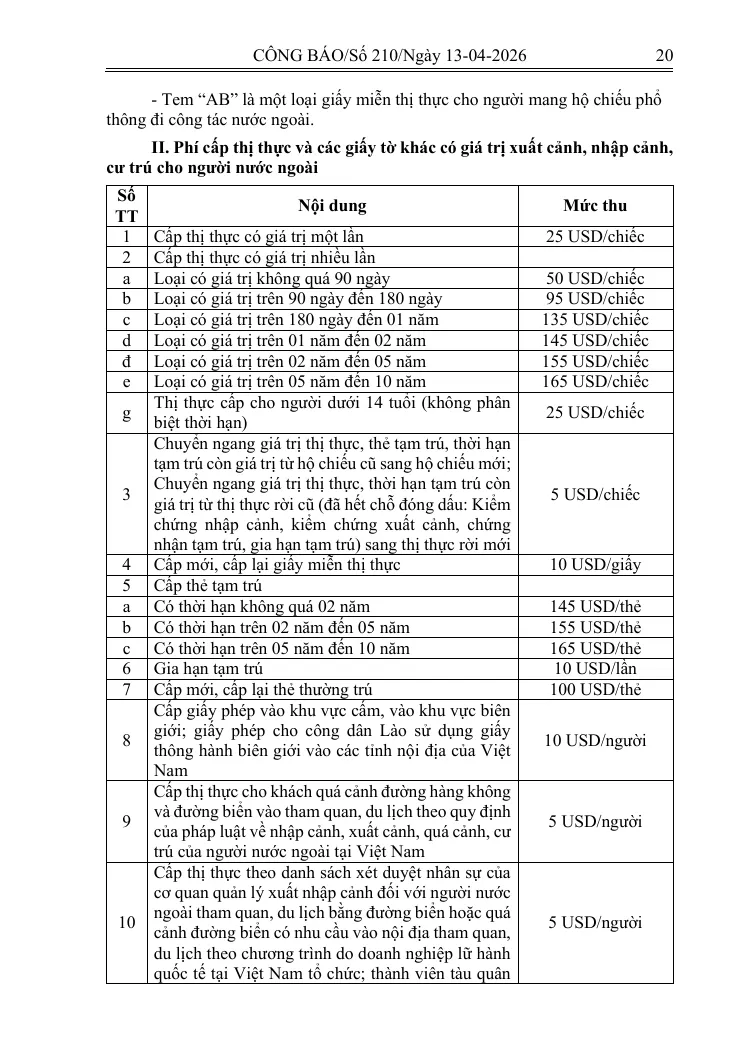
A stay extension costs US$10. A single-entry visa costs US$25 and a multiple-entry visa valid up to 90 days costs US$50. A temporary residence card costs US$145, US$155 or US$165 by validity. Circular 28/2026/TT-BTC set these fees from 1 April 2026. The fee is not refunded if you do not qualify.
On this page
- The circular behind the numbers
- Visas and e-visas
- Extending a stay: US$10 per extension
- Temporary residence card fees
- Other fees: transfer, exemption certificate, permanent card
- Currency, refunds, re-issue and exemptions
- The address declaration costs nothing
- Where to file and pay in Ho Chi Minh City
- What common cases cost
- Common questions
A stay extension costs US$10 per extension. The table shows every fee.
The circular behind the numbers
Circular 28/2026/TT-BTC was signed in Hanoi on 27 March 2026. It took effect on 1 April 2026.
It replaces Circular 25/2021/TT-BTC, which ceased to have effect on the same date. It also repeals Circular 62/2023/TT-BTC.
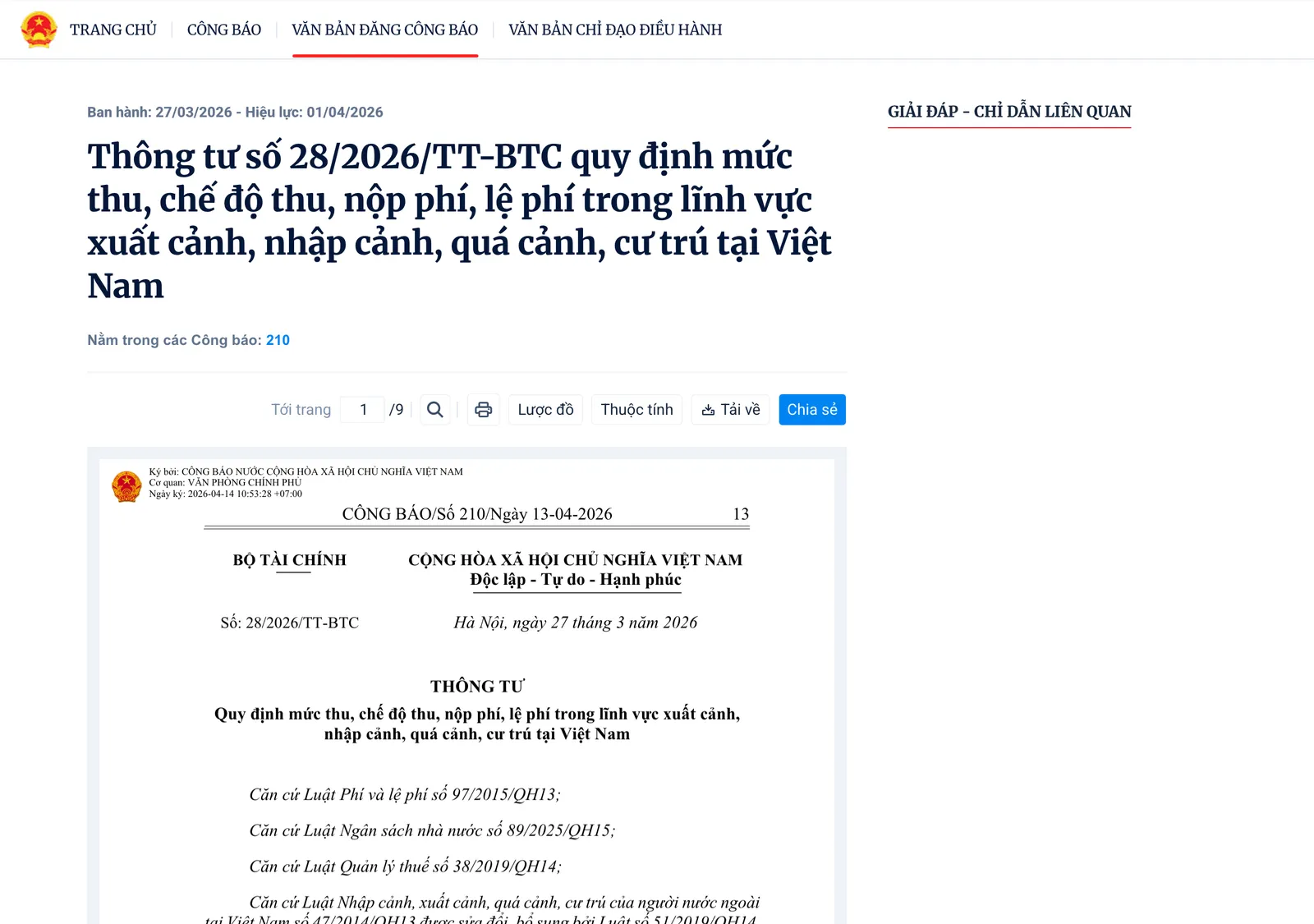
Two official pages lag behind. The Ministry of Public Security extension page still lists Circular 25/2021/TT-BTC as its legal basis. Its e-visa page lists the same old circular, and an unrelated one that has lapsed. Trust the fee amounts in the circular.
Visas and e-visas
A single-entry visa costs US$25, whatever its validity. A visa for a child under 14 also costs US$25, whatever its validity.
A multiple-entry visa is priced by validity:
| Validity | Fee |
|---|---|
| Up to 90 days | US$50 |
| Over 90 to 180 days | US$95 |
| Over 180 days to 1 year | US$135 |
| Over 1 to 2 years | US$145 |
| Over 2 to 5 years | US$155 |
| Over 5 to 10 years | US$165 |
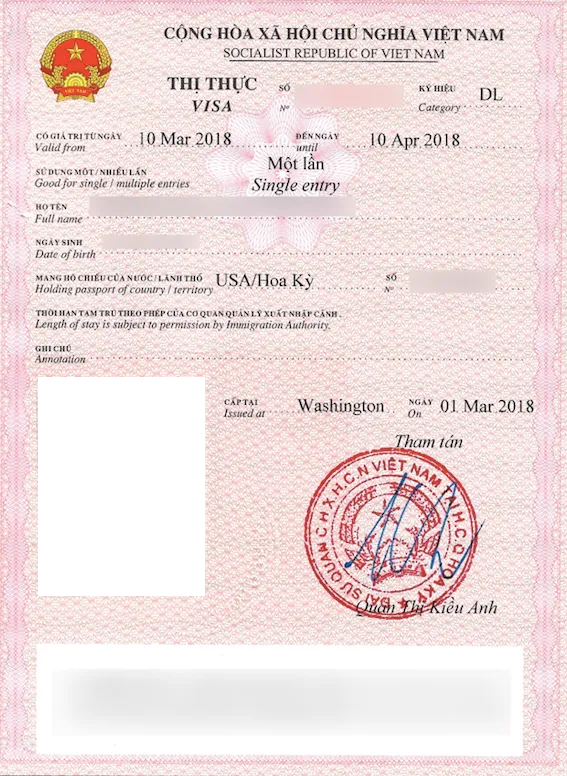
The e-visa fee is US$25 single-entry and US$50 multiple-entry, paid through the portal’s gateway. It is non-refundable if the visa is refused. An e-visa is valid for a maximum of 90 days.
An e-visa is issued to foreigners who want to enter Vietnam, not to foreigners currently residing there. After you leave Vietnam, you may request one. Filed online, it takes no more than 3 working days from a complete application and the fee.
The only official addresses are evisa.gov.vn and thithucdientu.gov.vn; unofficial pages may charge unauthorised fees. For the application steps, see the Vietnam e-visa guide.
Extending a stay: US$10 per extension
Each temporary-stay extension costs US$10. The government’s own procedure page states the same figure.
Your sponsor files the request with the immigration authority. There is no self-filing route. The statutory processing time is up to 5 working days from a complete application.
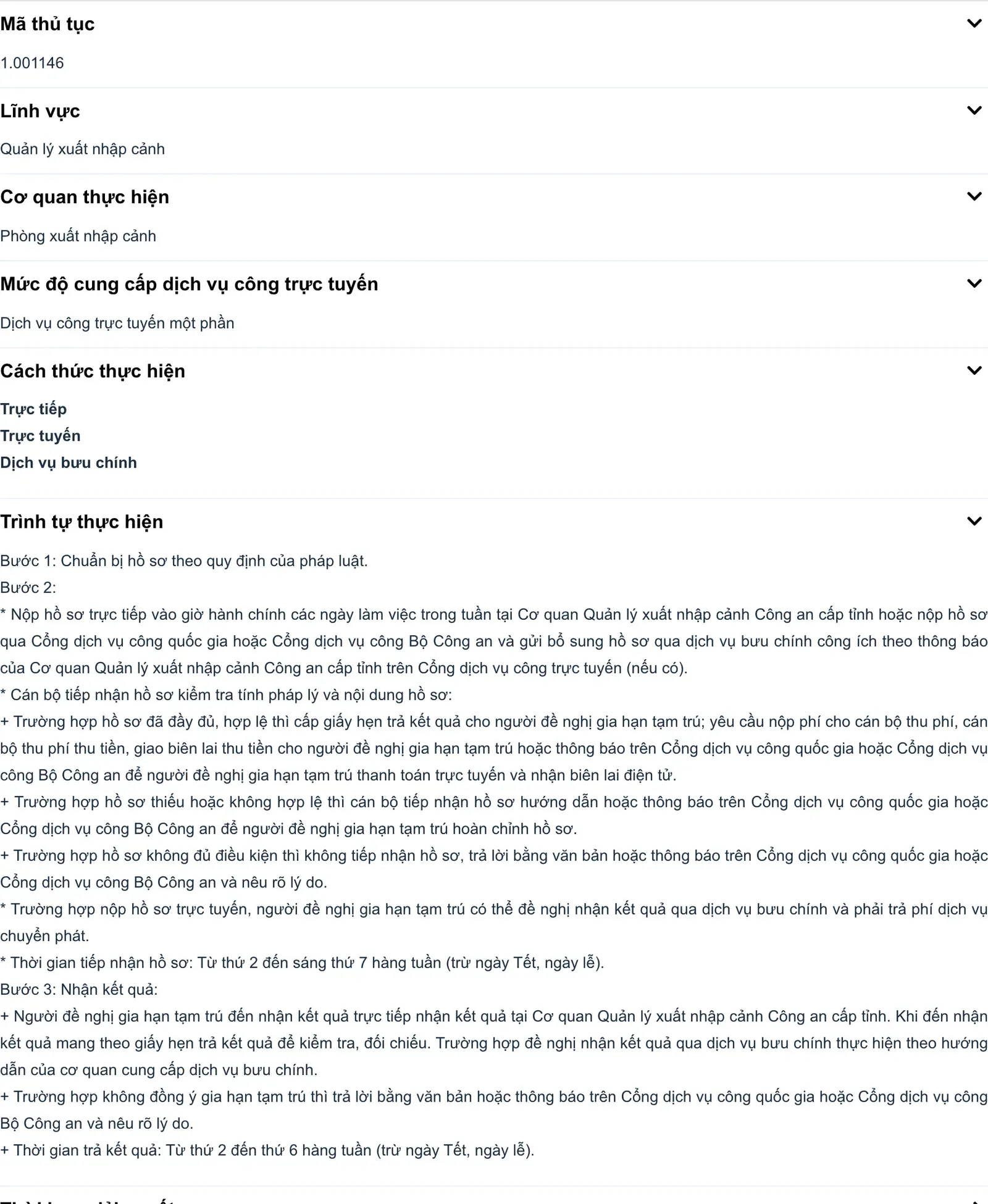
Applications are received Monday to Saturday morning, except Tet and public holidays. The extension form is NA5, not the NA6, NA7 or NA8 used for a residence card. The full steps are in extend a visa in Ho Chi Minh City.
Temporary residence card fees
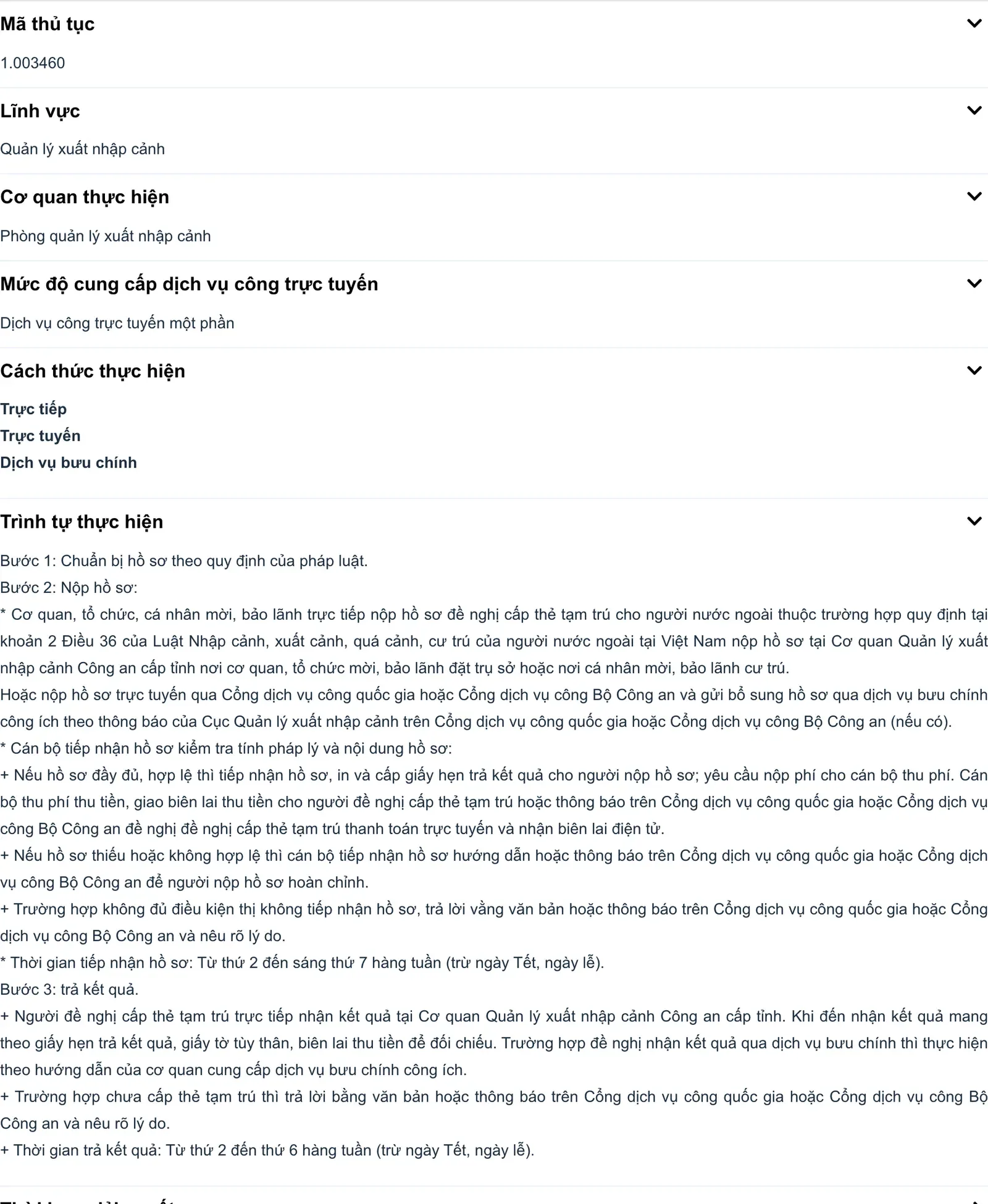
The fee is per card, and rises with the validity you are issued:
| Card validity | Fee |
|---|---|
| Up to 2 years | US$145 |
| Over 2 to 5 years | US$155 |
| Over 5 to 10 years | US$165 |
The eligibility rules, dossier and filing are in the temporary residence card guide.
Other fees: transfer, exemption certificate, permanent card
- Moving a still-valid visa, card or stay period to a new passport costs US$5.
- The same US$5 applies when a loose-leaf visa has no space left for stamps.
- A new or re-issued visa exemption certificate costs US$10.
- A new or re-issued permanent residence card costs US$100.
See also what changed in Vietnam visa rules in 2026. The visa exemption rules themselves are in the visa exemption guide. The overstay fines are a separate matter, in overstay fines in Ho Chi Minh City.
Currency, refunds, re-issue and exemptions
- Fees are collected in Vietnamese dong or US dollars.
- An amount set in USD may be paid in USD, or in dong at the rate set under Decree 362/2025/NĐ-CP.
- If you are not eligible, or you refuse the result, the fee already paid is not refunded.
- A lost, damaged or expired visa or card that must be re-issued costs the same as a new one.
- Staff of foreign embassies, consulates and international organisations, and their spouse and children under 18, are exempt on a reciprocal basis.
- Where an exemption is granted, the collecting body stamps the paper “Miễn thu phí”.
A foreigner who applies for a visa or other document must pay the fee in the circular.
The address declaration costs nothing
Declaring a foreigner’s address to the police has no fee or charge. The national procedure has code 1.001437. Filed online, its stated processing window is 24 hours, seven days a week.
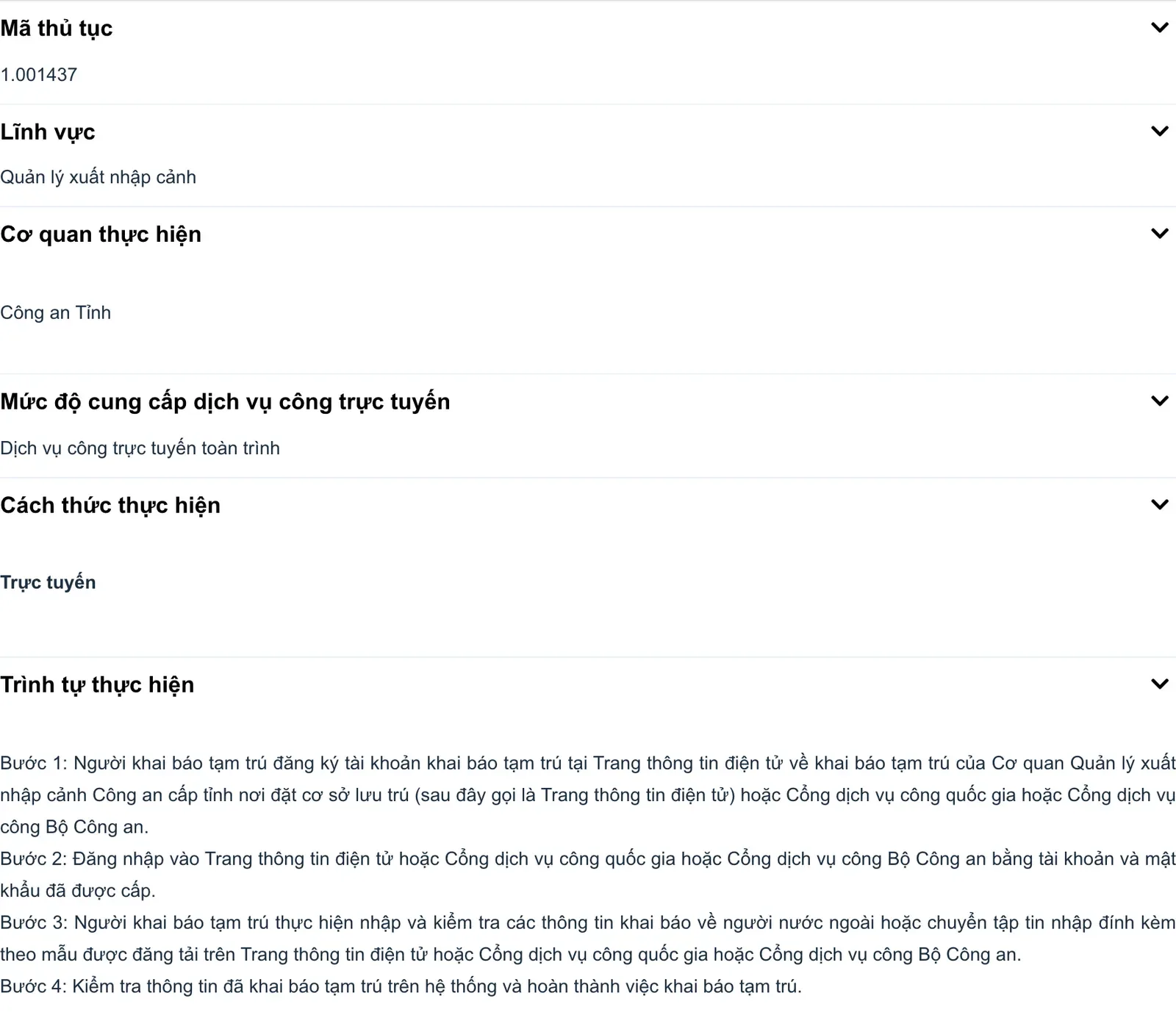
The person who files is the accommodation’s owner, legal representative or someone authorised, not you. The steps are in registering temporary residence in Ho Chi Minh City.
Where to file and pay in Ho Chi Minh City
The city police Immigration Management Division handles immigration procedures for foreigners staying or working in the city. Its own page lists the address as 196 Nguyen Thi Minh Khai Street, Vo Thi Sau Ward, District 3.
Resolution 1685/NQ-UBTVQH15 merged Vo Thi Sau Ward into the new Xuan Hoa Ward. Use the new ward name on a map or with a driver.
The office page gives working hours of Monday to Saturday: morning 7h to 11h30, afternoon 1h30 to 5h, and Saturday morning only. The national procedure page says extension applications are received Monday to Saturday morning. Go in the morning.
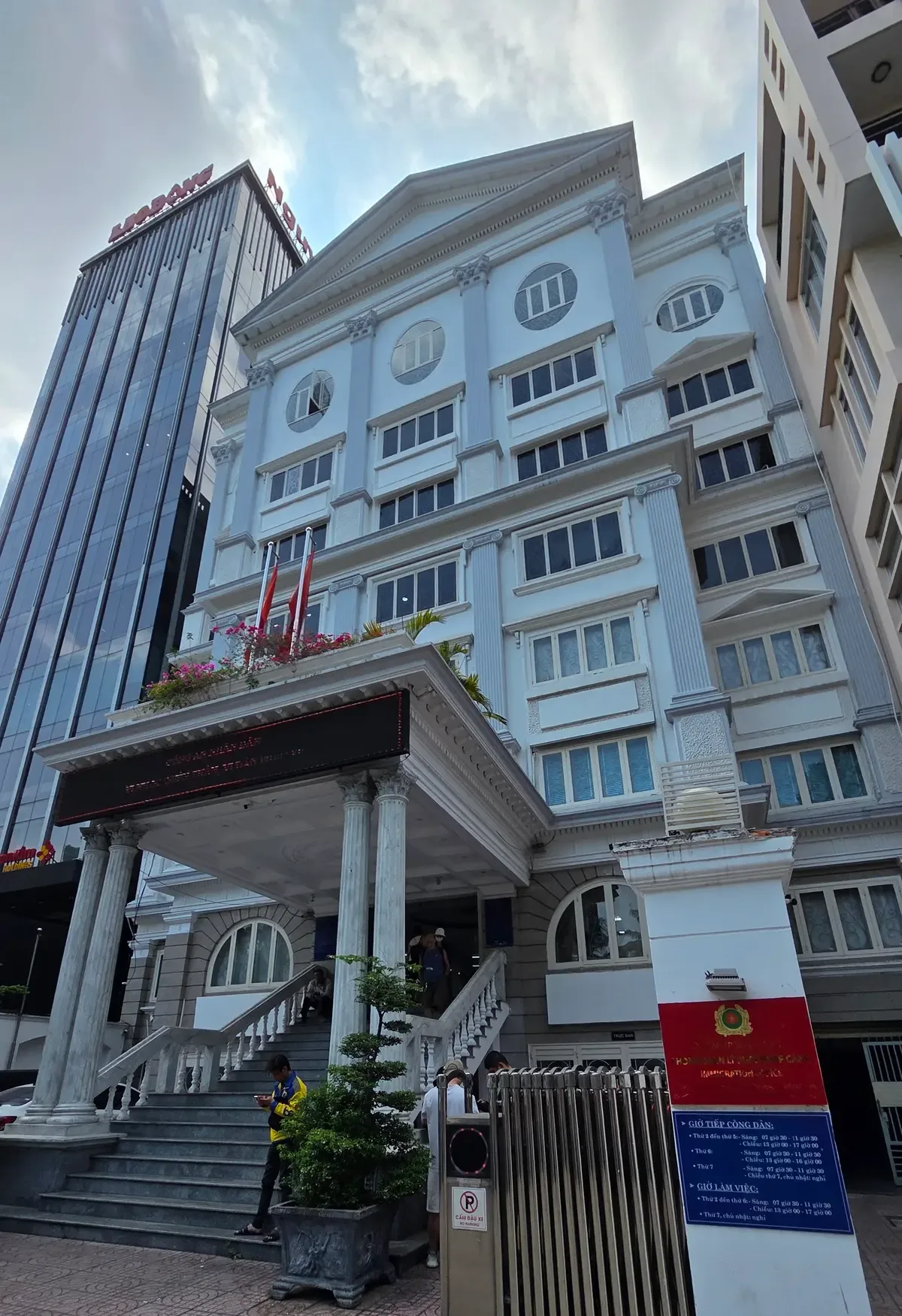
The extension procedure is carried out at the provincial level, which for this city is the division above. The map below shows the office.
196 Nguyen Thi Minh Khai, Xuan Hoa, Ho Chi Minh, Vietnam · Open in Google Maps (opens in a new tab)
What common cases cost
Typical cases:
- Extending your stay once: US$10, and the procedure page sets no maximum length for one extension.
- Entering on a single-entry e-visa: US$25.
- Entering on a multiple-entry e-visa: US$50.
- A work-based residence card valid up to 2 years: US$145.
- A new passport while your visa is still valid: US$5 to transfer it.
Photos and clips uploaded to Google Maps (Immigration Office HCMC on Google Maps (opens in a new tab)) by Brian Loh.
Not confirmed: The dong amount the counter charges on the day for a US dollar fee. Ask the office before you go. Which payment methods the counter takes. Ask your sponsor.
Common questions
How much does it cost to extend a stay in Vietnam?
US$10 per extension. The government's own procedure page states the same fee. Your sponsor files the request, not you.
How much does a Vietnam temporary residence card cost?
US$145 for a card valid up to 2 years. US$155 for over 2 to 5 years. US$165 for over 5 to 10 years.
Is the fee refunded if my application is refused?
No. The fee already paid is not refunded if the applicant is not eligible for the visa or document, or refuses to accept the result.
Which circular sets these fees, and does it replace an older one?
Circular 28/2026/TT-BTC, signed on 27 March 2026 and in force from 1 April 2026. It replaces Circular 25/2021/TT-BTC and repeals Circular 62/2023/TT-BTC. A guide quoting either describes an old schedule.
What if my visa or card is lost, damaged or expired and has to be re-issued?
The fee charged is the same as for a new issuance.
Can I pay in Vietnamese dong instead of US dollars?
Fees for foreigners are collected in dong or US dollars. An amount set in USD may be paid in USD, or in dong converted at the rate set under Decree 362/2025/NĐ-CP.
How much does an e-visa cost?
US$25 for a single-entry e-visa and US$50 for a multiple-entry e-visa, paid through the portal's e-payment gateway. The fee is non-refundable if the visa is refused.
Does declaring my address to the police cost anything?
No. The national online procedure has no fee or charge. The accommodation files it, not you.
Read next
General information checked against the sources listed above, not legal advice for your situation. Rules and office practice change; confirm with the immigration office or a licensed adviser before you act. See how guides are checked.
Spotted an error? Report it.