Best Time to Visit Ho Chi Minh City: Dry and Rainy Months
The best months to visit Ho Chi Minh City are December to April, the dry season. January, February and March are the driest. The rainy season runs from May to November, and September is the wettest month. Tet 2027 is a public holiday from 4 to 10 February.
On this page
The dry season runs from December to April, and the rainy season from May to November. These are the city’s two seasons.
The short answer: December to April
| Season | Months | What to expect |
|---|---|---|
| Dry | December to April | Least rain, driest from January to March |
| Rainy | May to November | About 1,800 mm of rain, 93% of the year’s total |
| Wettest month | September | 333 mm |
| Lowest rainfall in the rainy season | November | 117 mm |
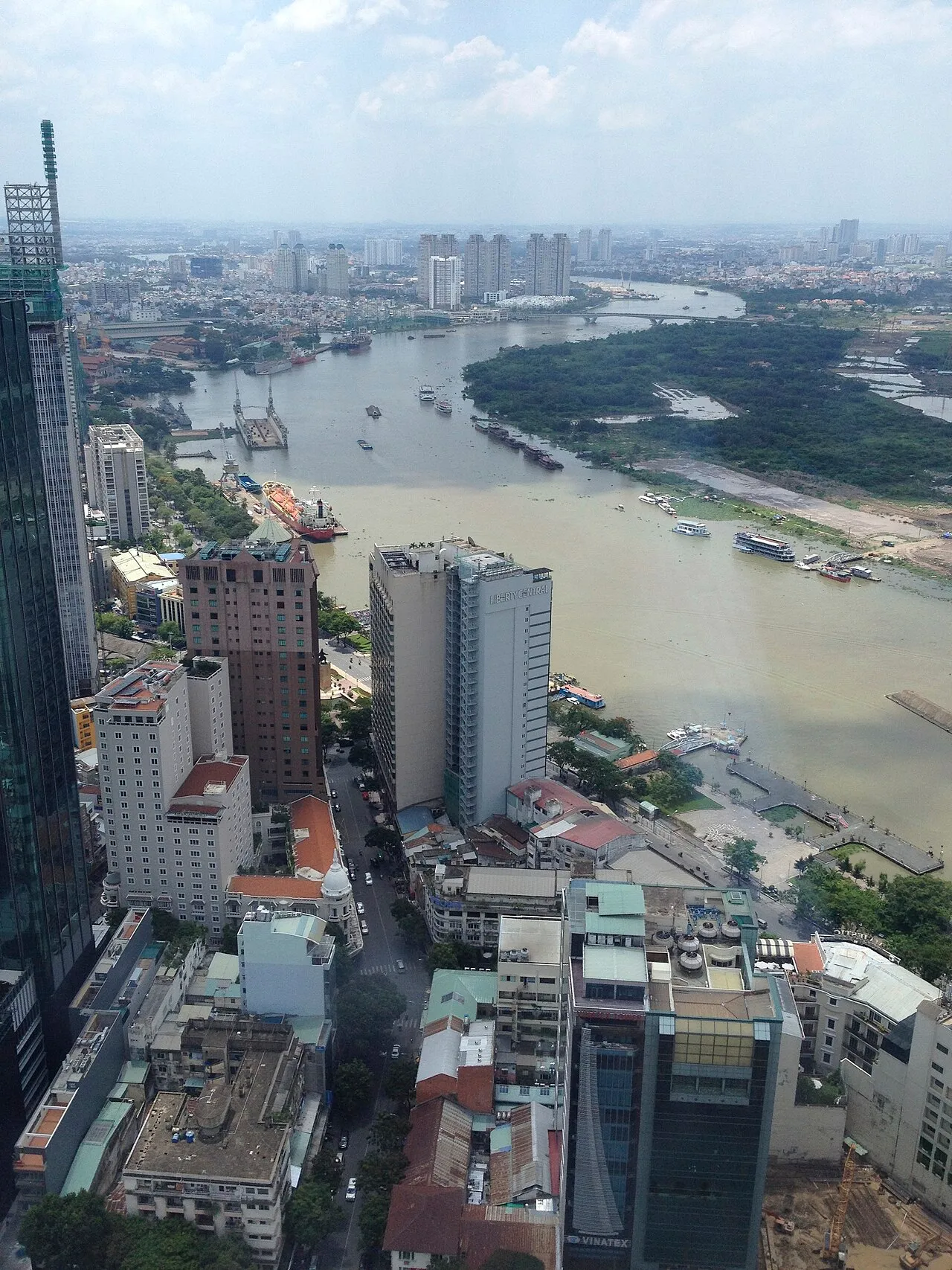
The mean annual temperature is 27.3 degrees C, with mean humidity of 78.3%.
The dry season, December to April
The driest months are January, February and March, around Tet. In this season there are on average only one or two rainy days of under 15 mm. In January to April the wind is south-easterly.
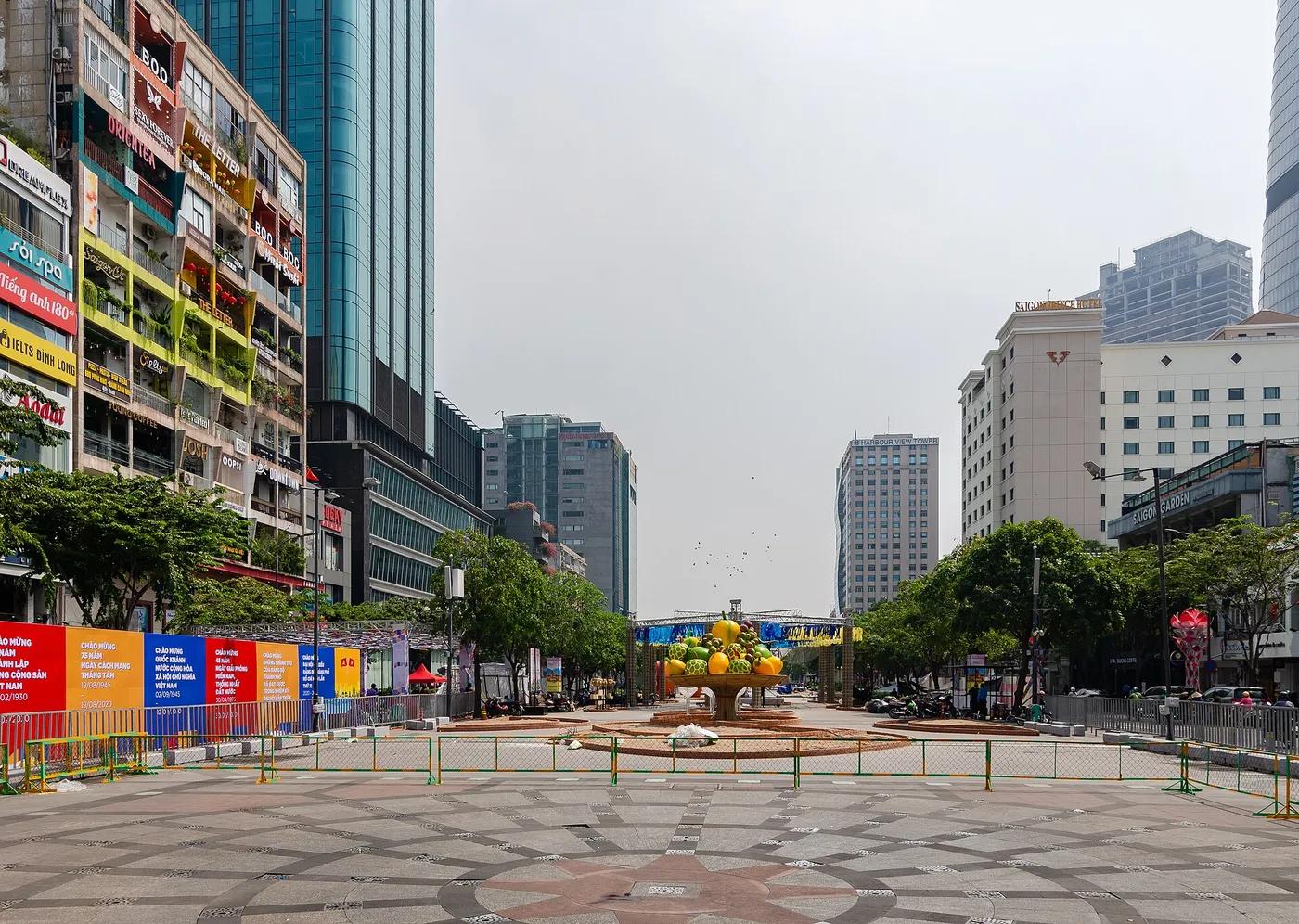
Pick these months for walking tours, markets and day trips. The 3-day itinerary and things to do are easiest then.
The rainy season, May to November
The rainy season brings about 1,800 mm of rain, 93% of the year’s total. Monthly rainfall peaks at 333 mm in September, averages 257.1 mm and is lowest at 117 mm in November.
Most rain falls from about 13:00 onwards. Plan sights and errands for the morning, and keep the afternoon flexible.
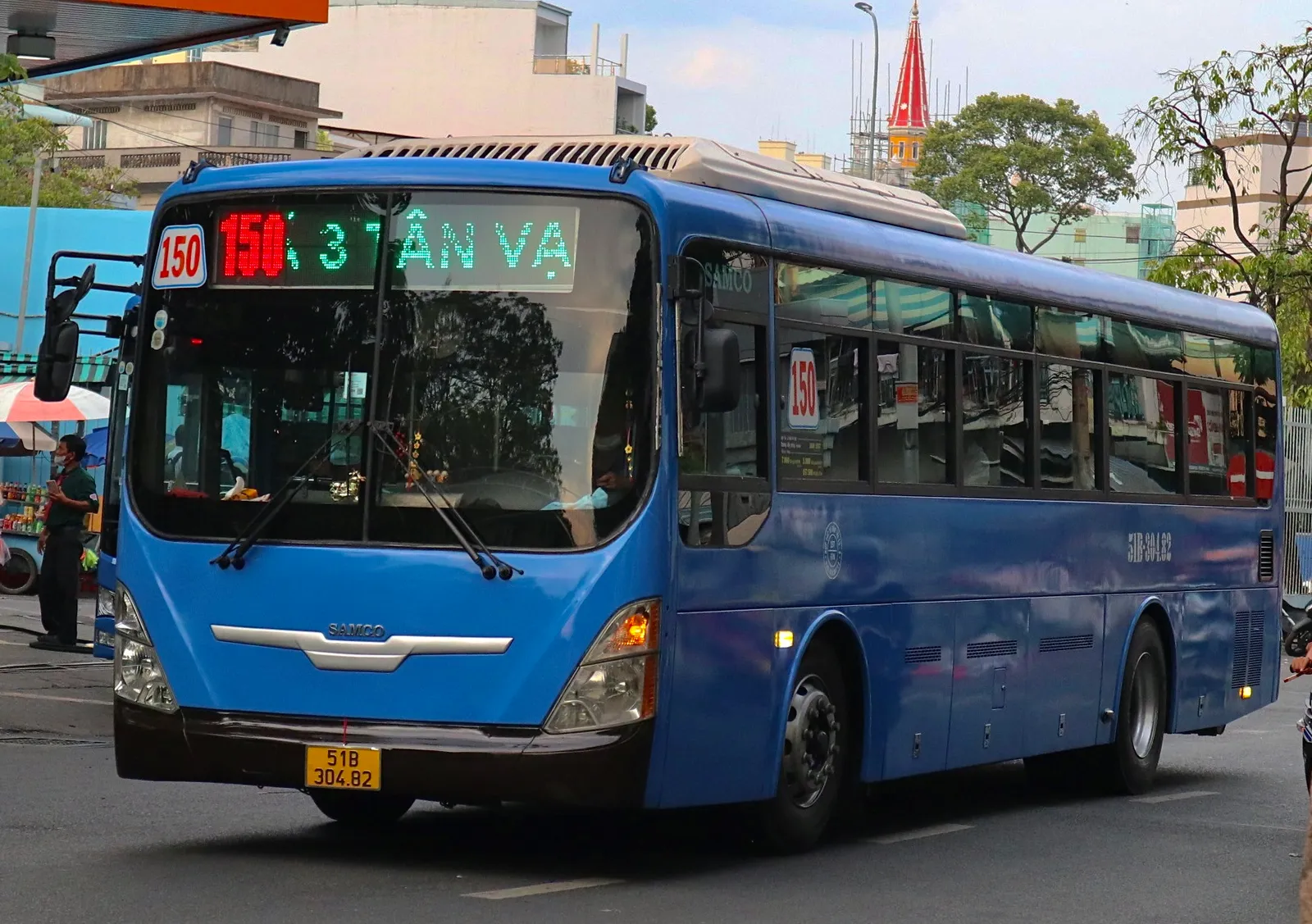
From June to September the wind is south-westerly. The city has almost no storms; it is only affected by storms that enter the central provinces, which bring force 4 to 5 winds and heavy rain.
The newest outlook, 15 September 2026
NCHMF’s seasonal bulletin of 15 September 2026 says the rainy season in the Central Highlands and the South may end early. It forecasts November 2026 rainfall in the South generally 5-15% below the long-term average.
No observed 2026 rainfall summary was found. The next bulletin was due before 15 October 2026.
Tide flooding: the late October peak
The Southern hydrometeorological forecast puts the highest tide of 2026 in the city at the end of October. The forecast peak at Phu An station is 1.70-1.75 m, on 27-29 October.
At Thu Dau Mot station the forecast peak is 1.82-1.87 m on 27-29 October, above alert level 3 by 0.22-0.27 m. The tide season in the south runs from the 8th to the 12th lunar month.
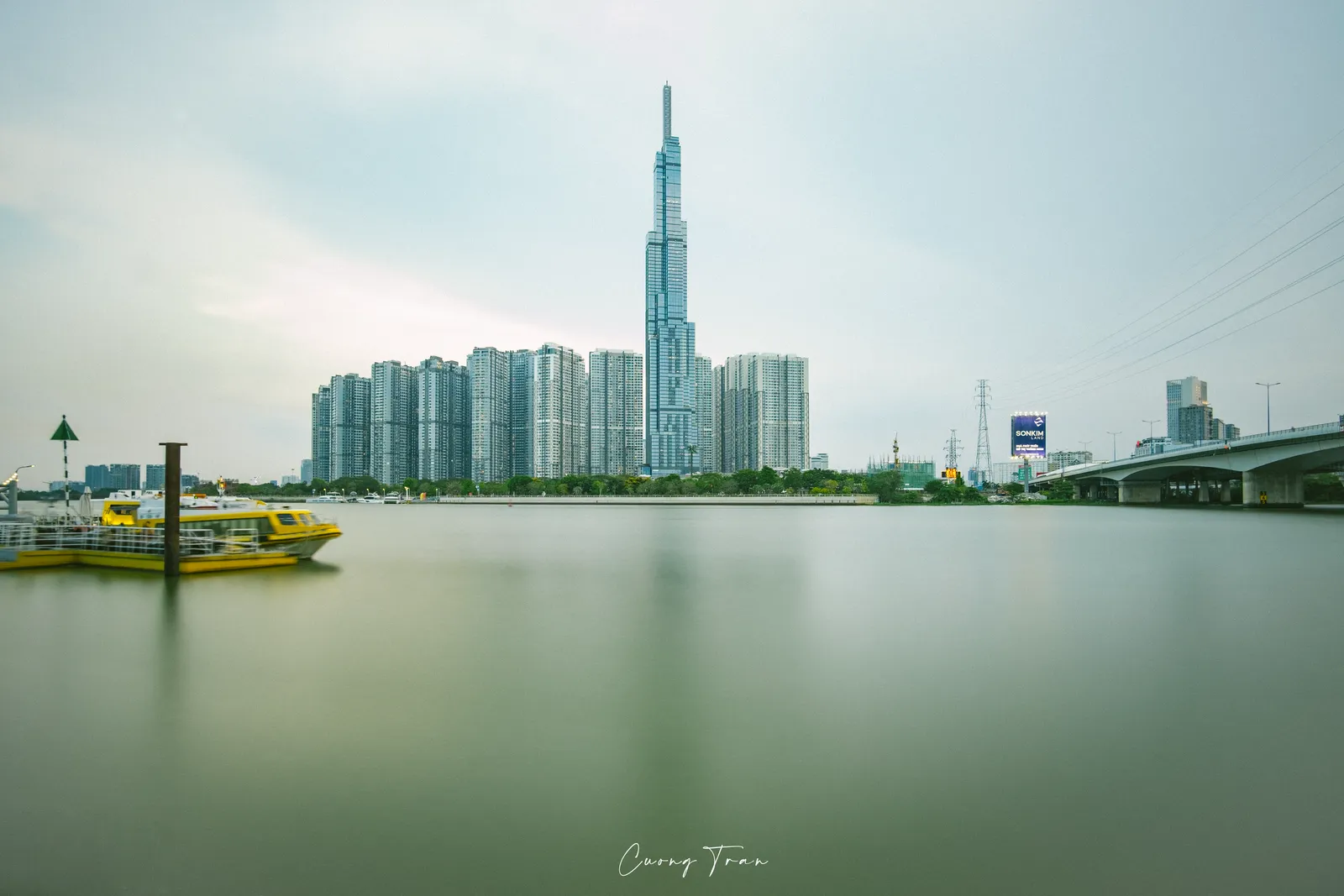
In October 2025 the city recorded flooding from 20 to 25 October. Streets hit included Pham Van Chieu, Tran Xuan Soan and Huynh Tan Phat, and the Binh Quoi - Thanh Da road. A Department of Construction official said the Thanh Da peninsula flooded mainly because the land is low against a tide peak of 1.82 m.
The city told local authorities to review vulnerable areas, especially places that flooded deeply before, and to keep people and vehicles away from deep or fast water. If your rental or hotel is near the river or one of those streets, note that the 2026 peak is forecast for 27-29 October. The where to live guide lists the areas.
Tet 2027: dates and what stays open
The Tet 2027 holiday runs from Thursday 4 February 2027 (28th of the 12th lunar month) to Wednesday 10 February 2027 (5th of the 1st lunar month). The deputy prime minister agreed with the Home Affairs ministry proposal of a 7-day break.
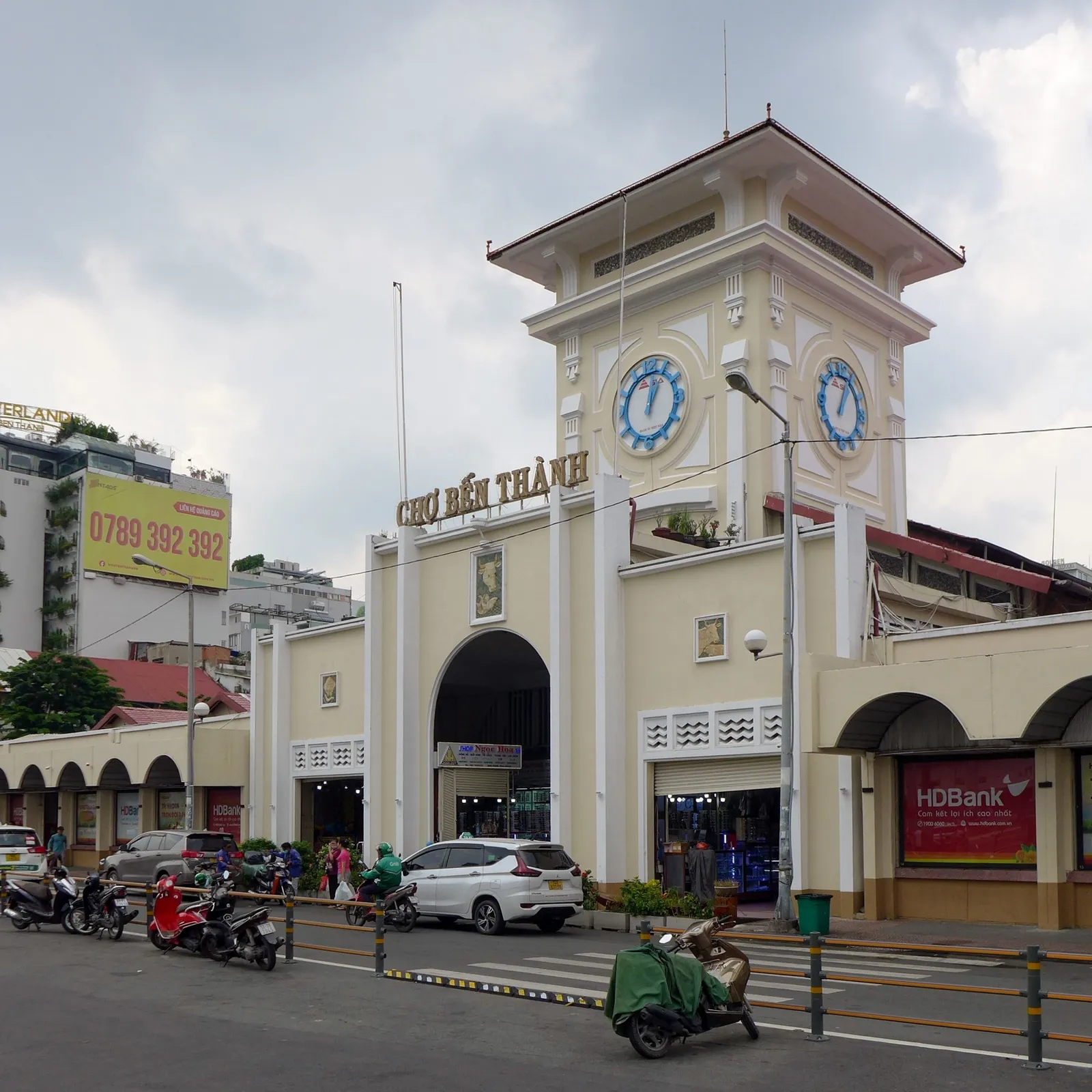
Tet falls in the driest months. These sights stay open:
- The Museum of Ho Chi Minh City opens 08:00 to 17:00, Monday to Sunday, holidays and Tet included.
- Independence Palace is open daily, including weekends and holidays.
- The War Remnants Museum opens 07:30 to 17:30 every day, holidays included.
Details are in the Independence Palace guide and the War Remnants Museum guide. Private shops and restaurants set their own closing days, and no official length of closure was found.
Which month to pick
If you want the least rain
Choose January to March, the driest months.
If you travel in the rainy season
Keep mornings for sights, because most rain falls from about 13:00 onwards. Read getting around Ho Chi Minh City and Grab vs Xanh SM vs Be for the afternoon.
If you land in late October
The forecast tide peak falls on 27-29 October, so avoid low riverside streets then.
If you are settling in
Read the first-week checklist.
Before you go
- Pick December to April for the least rain.
- Note the Tet 2027 holiday dates: 4 to 10 February 2027.
- Plan sights for the morning from May to November.
- Avoid low riverside streets on 27-29 October, the forecast tide peak.
- Expect private shops and restaurants to set their own Tet closing days.
Step by step
- Pick your seasonThe dry season runs from December to April, and January to March are the driest months.
- Plan rainy-season afternoonsMost rain falls from about 13:00 onwards.
- Check the tide noticesThe 2026 tide peak is forecast for 27-29 October.
- Plan around TetThe Tet 2027 holiday runs from 4 to 10 February 2027.
Not confirmed: No official month-by-month rain and temperature table was found; the city page gives season totals and extremes. No observed 2026 rainfall summary was found, so the newest outlook is dated 15 September 2026. Private shops and restaurants set their own Tet closing days; no official length was found.
Common questions
What is the best month to visit Ho Chi Minh City?
The dry season runs from December to April. The driest months are January, February and March.
When is the rainy season?
The rainy season runs from May to November. Monthly rainfall peaks at 333 mm in September and is lowest at 117 mm in November.
Does it rain all day in the rainy season?
Most rain falls from about 13:00 onwards.
Is there a typhoon risk in Ho Chi Minh City?
The city has almost no storms. Storms that enter the central provinces bring force 4 to 5 winds and heavy rain.
How hot is it?
The mean annual temperature is 27.3 degrees C, with mean humidity of 78.3%.
When is the tide-flood peak in 2026?
The forecast tide peak at Phu An station is 1.70-1.75 m on 27-29 October. The tide season in the south runs from the 8th to the 12th lunar month.
When is the Tet holiday?
The public holiday runs from Thursday 4 February to Wednesday 10 February 2027.
Do the main sights close at Tet?
The Museum of Ho Chi Minh City is open Monday to Sunday, Tet included. Independence Palace is open daily, holidays included.
Read next
General information checked against the sources listed above, not legal advice for your situation. Rules and office practice change; confirm with the immigration office or a licensed adviser before you act. See how guides are checked.
Spotted an error? Report it.