Divorce With a Foreigner in Ho Chi Minh City: Which Court
Since the 2025 court reform, a divorce with a foreigner starts at a regional People's Court, and the city court hears the appeals. The defendant's address picks the court; in a mutual-consent request either spouse's address does. The court fee is VND 300,000 where no value is disputed.
On this page
A divorce with a foreigner starts at a regional People’s Court, in its Family and Juvenile division. The Ho Chi Minh City People’s Court hears appeals.
Which court takes the case
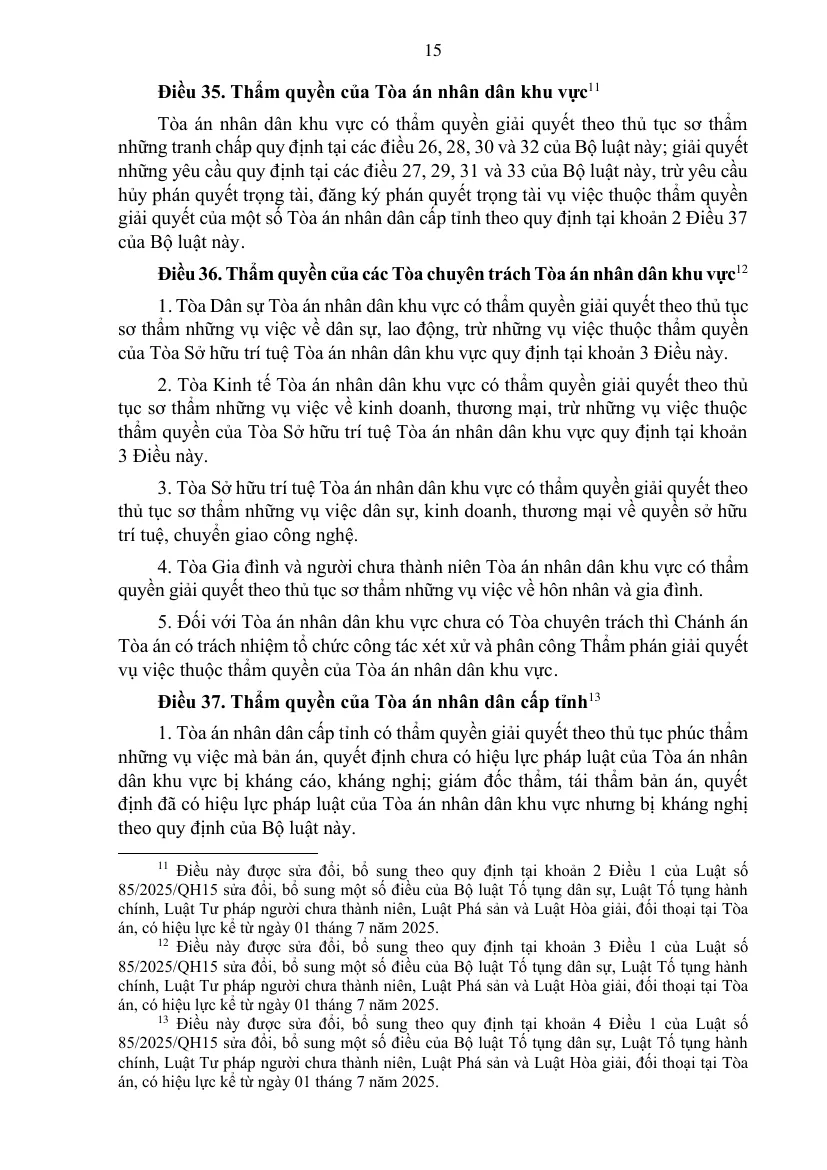
Since the reform that took effect on 1 July 2025, a regional court hears divorces at first instance. A request to recognise a divorce by mutual consent goes there too.
The Ho Chi Minh City People’s Court hears appeals against regional court judgments that are not yet in force. Its Family and Juvenile division takes the marriage-and-family appeals. It sits at 131 Nam Ky Khoi Nghia, Ben Thanh Ward.
131 Nam Ky Khoi Nghia, Ben Thanh, Ho Chi Minh 70135, Vietnam · Open in Google Maps (opens in a new tab)
The regional courts
Each regional court is listed for the former districts it covers:
- Regional Court 1: former Districts 1, 3 and 4, at 4-6 Ly Tu Trong, Sai Gon Ward.
- Regional Court 2: Thu Duc City, at 1400 Dong Van Cong, Cat Lai Ward.
- Regional Court 3: former Districts 5, 6 and 11, at 642 Nguyen Trai, Cho Lon Ward.
- Regional Court 4: former District 10 and Tan Binh District, at 27 Thanh Thai, Dien Hong Ward.
- Regional Court 5: Binh Thanh and Phu Nhuan Districts, at 453-455-457 Bach Dang, Gia Dinh Ward.
- Regional Court 6: former District 7, Nha Be and Can Gio, at 424A Nguyen Binh, Nha Be Commune.
- Regional Court 7: Go Vap and former District 12, at 416/2 Duong Quang Ham, An Nhon Ward.
- Regional Court 8: Cu Chi and Hoc Mon, at 77B Tinh Lo 8, Tan An Hoi Commune.
- Regional Court 9: Tan Phu and Binh Tan, at 422/1 Ho Hoc Lam, An Lac Ward.
- Regional Court 10: former District 8 and Binh Chanh, at 4 Street No. 3, Tan Nhut Commune.
- Regional Court 11: Vung Tau City and Con Dao, at 989 Duong 2/9, Phuoc Thang Ward.
- Regional Court 12: Phu My and Ba Ria, at 539 Pham Van Dong, Ba Ria Ward.
- Regional Court 13: Long Dat, at 1944 Quoc Lo 55, Long Dien Commune.
- Regional Court 14: Chau Duc and Xuyen Moc, in Ngai Giao Commune.
- Regional Court 15: Thu Dau Mot, at 471 Binh Duong Boulevard, Thu Dau Mot Ward.
- Regional Court 16: Thuan An and Di An, on Nguyen Van Tiet, Lai Thieu Ward.
- Regional Court 17: Tan Uyen and Bac Tan Uyen, on road DT 747, Tan Uyen Ward.
- Regional Court 18: Ben Cat and Dau Tieng, at 344 Quoc Lo 13, Ben Cat Ward.
- Regional Court 19: Bau Bang and Phu Giao, on road D5-5A, Bau Bang Commune.
1400 Dong Van Cong, Cat Lai, Ho Chi Minh, Vietnam · Open in Google Maps (opens in a new tab)
4-6 Ly Tu Trong, Phuong Sai Gon, Ho Chi Minh, Vietnam · Open in Google Maps (opens in a new tab)
424A Nguyen Binh, Nha Be, Ho Chi Minh, Vietnam · Open in Google Maps (opens in a new tab)
Can a Vietnamese court hear your divorce
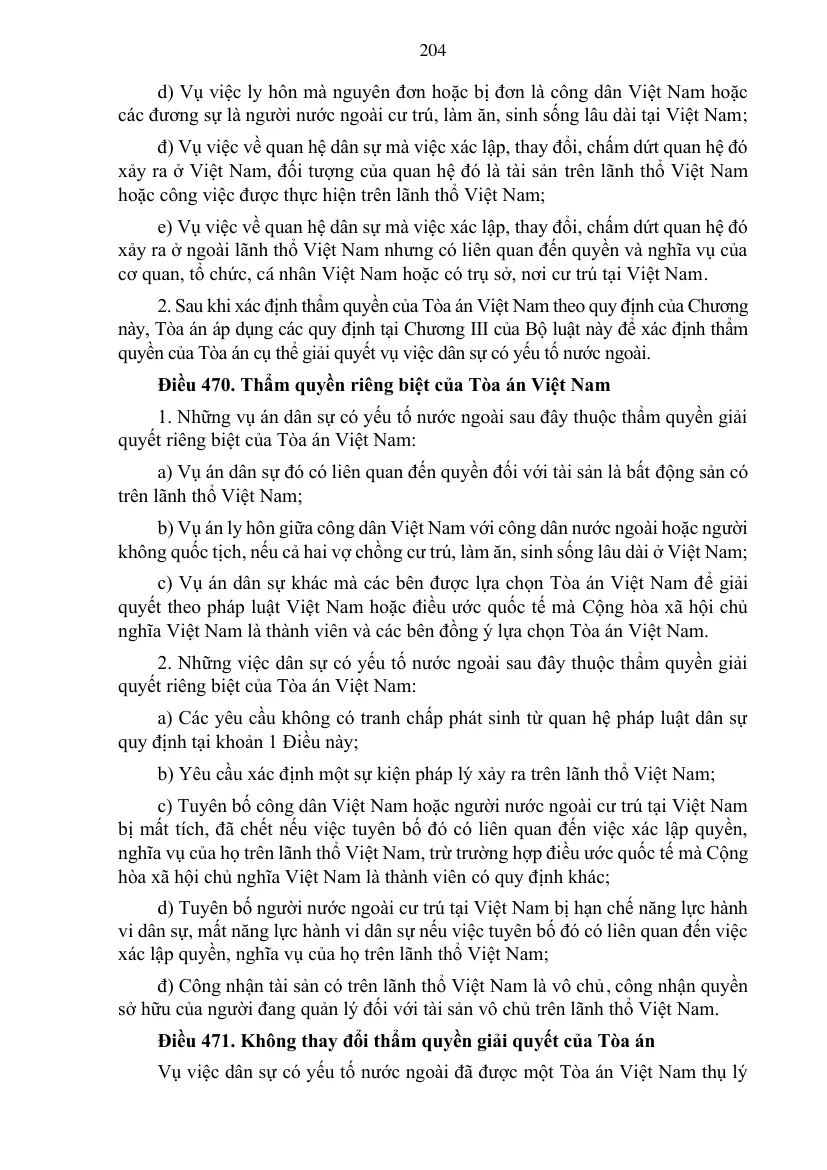
A Vietnamese court has jurisdiction where the plaintiff or the defendant is a Vietnamese citizen. It also has it where the parties are foreigners living long-term in Vietnam.
If a Vietnamese citizen and a foreigner both live long-term in Vietnam, the divorce falls under the exclusive jurisdiction of Vietnamese courts. The family law covers a divorce between a Vietnamese citizen and a foreigner, and one between foreigners with permanent residence in Vietnam.
If the Vietnamese spouse does not live permanently in Vietnam when asking, the divorce follows the law of your common permanent residence, or Vietnamese law if you have none. Real estate abroad is divided under the law of the country where it lies.
Once a Vietnamese court has accepted the case, it keeps it even if you change nationality, residence or address.
Which regional court to file with
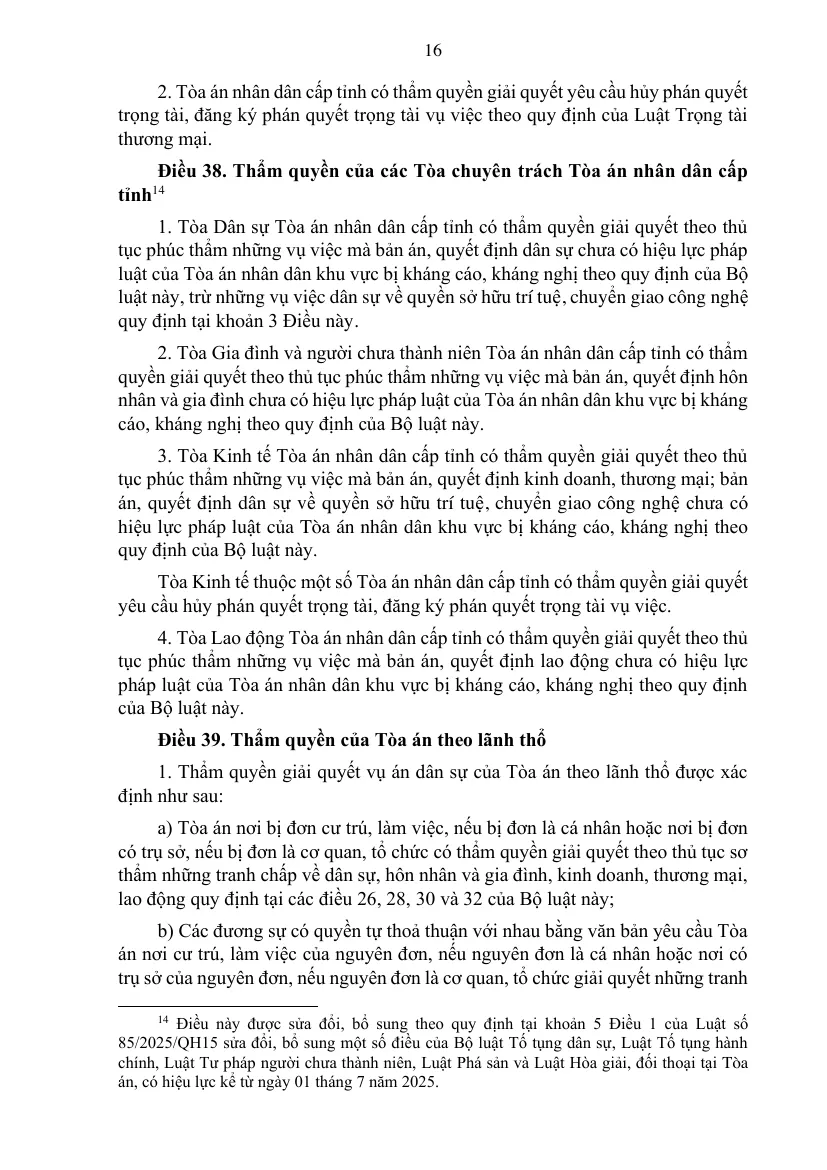
Go where the defendant lives or works. In a mutual-consent request, the court where either spouse lives or works takes it.
You and your spouse can agree in writing to use the court where the plaintiff lives or works. If the defendant has no residence, workplace or seat in Vietnam, you can ask the court where you live or work.
If you do not know where the defendant lives or works, you can ask the court of the defendant’s last residence or workplace, or where the defendant has property.
Each court’s territory is written in old districts, so find the old district of your address first. If you are not sure, ask the clerk of the court nearest you.
File the petition
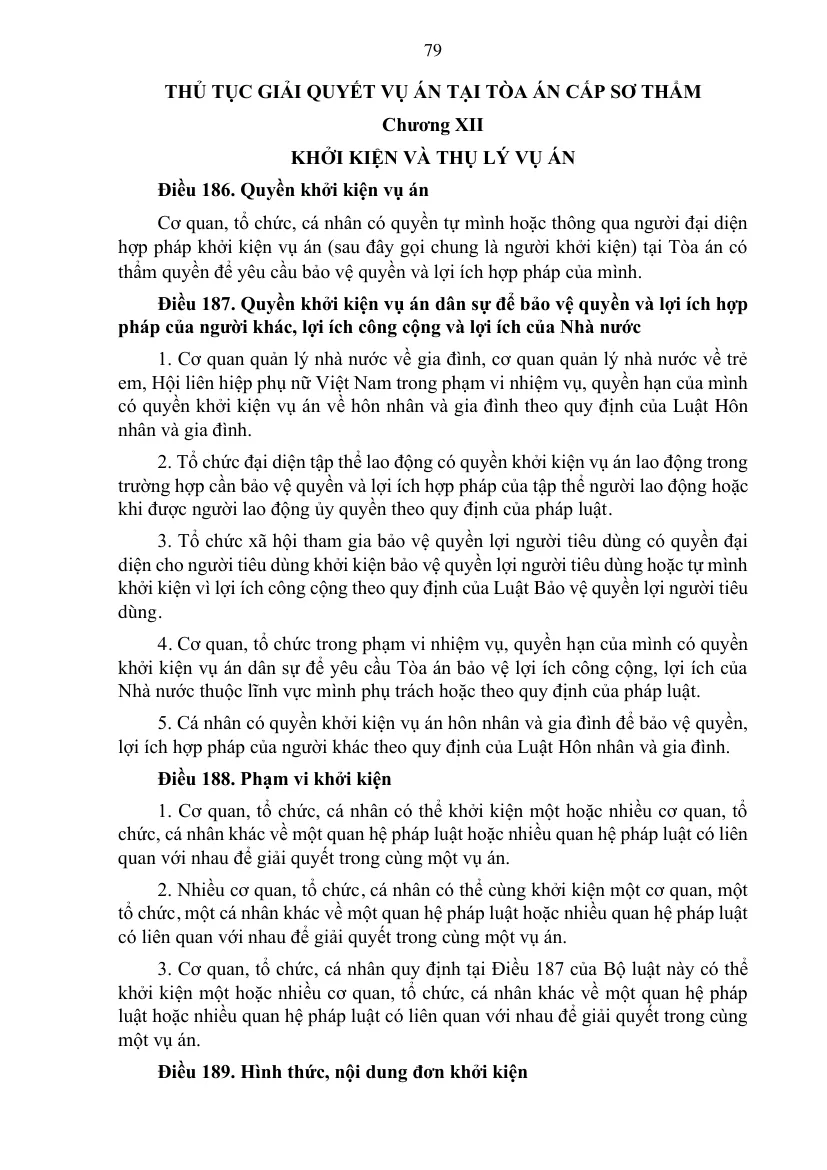
A contested divorce starts with a written petition. You can write it yourself or have someone write it for you.
Name the defendant with a residence or workplace. If you do not know where the defendant lives or works, give the last known one. Attach documents and evidence that prove your rights were infringed.
For a divorce, that means a certified copy of the marriage certificate, and the children’s birth certificates if you have children. Papers in a foreign language come translated into Vietnamese, with the original to compare.
Hand it in at the court or post it. Filing through the court’s electronic portal is allowed too. A mutual-consent divorce goes to the court as a written request.
If you married abroad, legalise the marriage certificate and have the marriage recorded in the Vietnamese register before you file.
Mutual consent or contested
Mutual consent
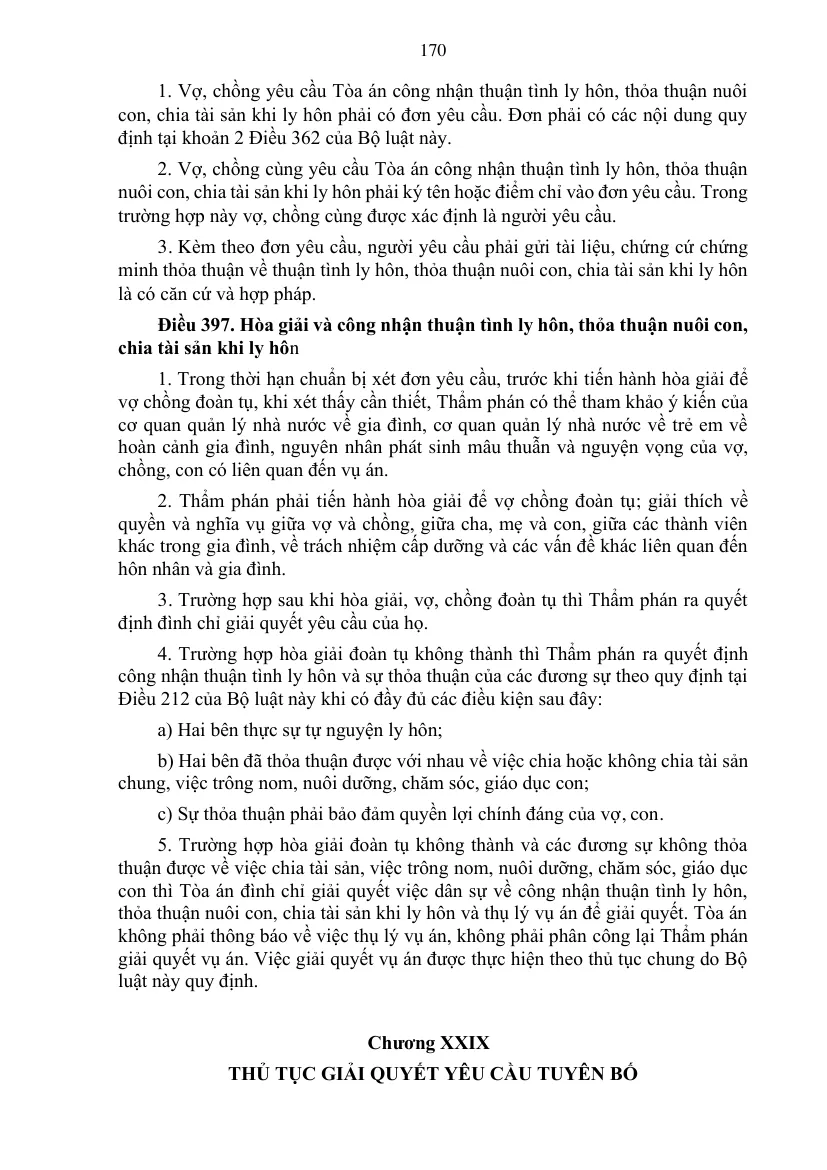
Both of you ask together. The court recognises the divorce if you both truly want it and have agreed on property and on the children, with the wife’s and children’s legitimate rights protected.
The judge first tries to reconcile you. If that fails, the judge recognises the divorce and your agreement when all three conditions hold.
If you cannot agree on property or the children, the court stops the mutual-consent request and takes the case to resolve it.
Contested
Either of you can ask the court to resolve a divorce. After accepting the petition, the court mediates.
If mediation fails, the court grants the divorce when there are grounds. The grounds are domestic violence, or a serious breach of a spouse’s rights and duties. The breach leaves the marriage in a serious state, shared life cannot go on and the purpose of marriage is not achieved.
A husband has no right to ask for divorce while his wife is pregnant, has given birth or is raising a child under 12 months old.
The usual 4-month preparation time does not apply to foreign-element cases. Once the case goes to trial, the hearing opens within 1 month, or 2 with good reason.
Foreign papers and a spouse abroad
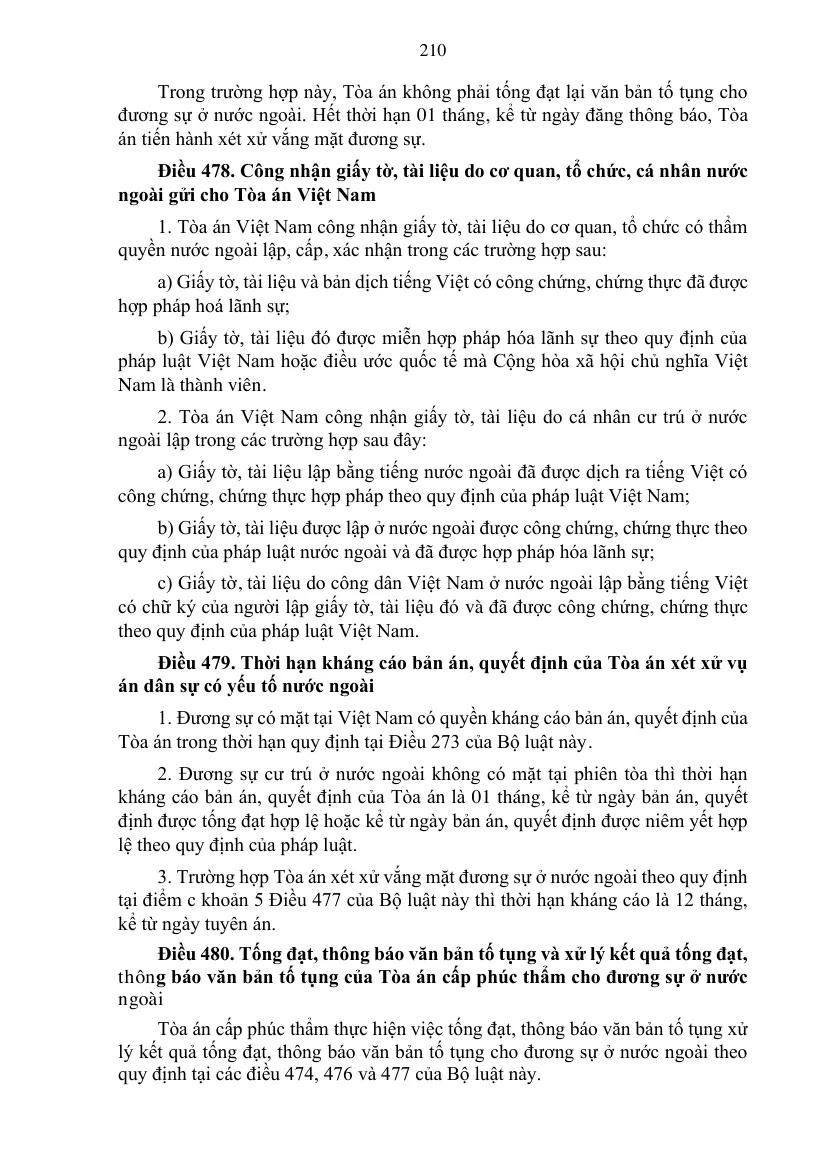
A Vietnamese court recognises a foreign paper that has been consularly legalised, with a notarised or certified Vietnamese translation. It also recognises a paper that Vietnamese law or a treaty Vietnam has joined exempts from legalisation. For the stamp each paper needs, see Apostille and legalisation in Ho Chi Minh City.
The court serves papers on a spouse abroad by the method in a treaty Vietnam has joined. Where there is no treaty, it goes through diplomatic channels.
If service fails, the court posts a notice for 1 month at a Vietnamese representative office abroad, at the court or at the spouse’s last residence in Vietnam.
Children and property
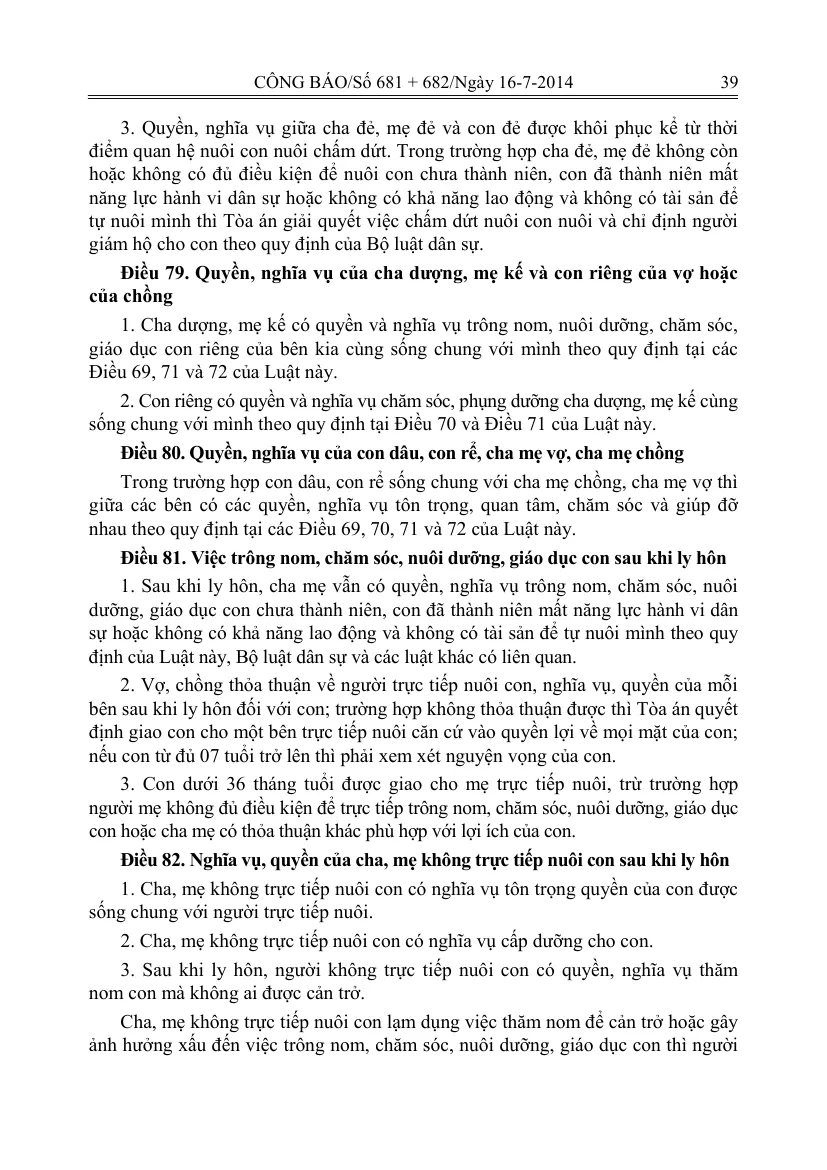
You and your spouse agree on who raises the children. If you cannot, the court decides on the child’s interests and asks the child’s wishes from age 7.
A child under 36 months goes to the mother, unless she is unfit to raise the child or the parents agree otherwise in the child’s interest.
Under the statutory property regime you agree on dividing property; if you cannot, the court divides it on request. Joint property is divided in half, taking into account the family’s circumstances and each spouse’s contribution. Separate property stays with its owner unless it was merged into the joint property.
Court fees
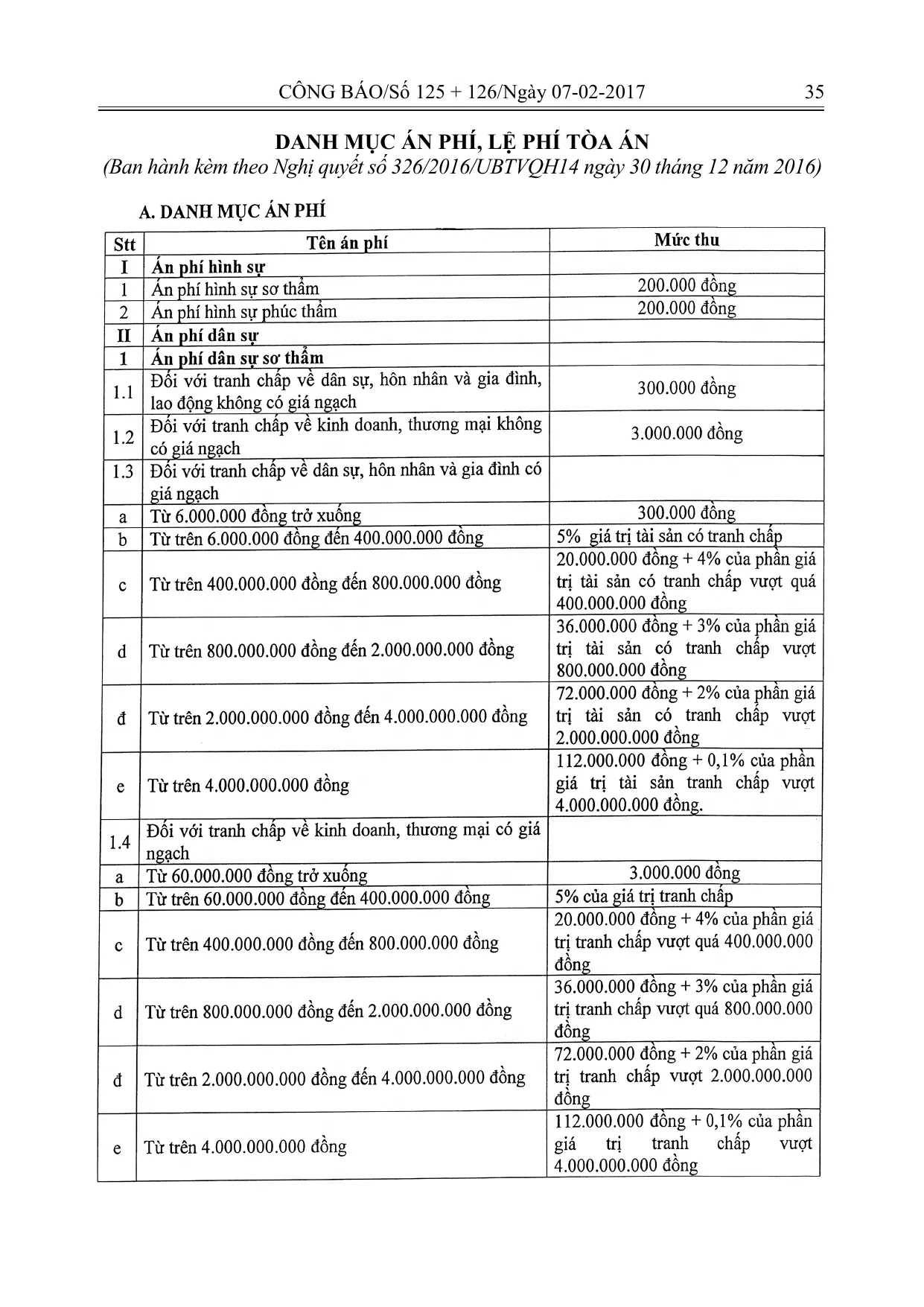
With no property in dispute you pay VND 300,000. The percentage rows apply when the dispute has a value, such as property the court has to divide.
| Case | Court fee |
|---|---|
| Divorce with no disputed value | VND 300,000 |
| Request to recognise a mutual-consent divorce | VND 300,000 |
| Disputed value up to VND 6,000,000 | VND 300,000 |
| Over VND 6,000,000 to VND 400,000,000 | 5% of the disputed value |
| Over VND 400,000,000 to VND 800,000,000 | VND 20,000,000 plus 4% of the part above VND 400,000,000 |
| Over VND 800,000,000 to VND 2,000,000,000 | VND 36,000,000 plus 3% of the part above VND 800,000,000 |
| Over VND 2,000,000,000 to VND 4,000,000,000 | VND 72,000,000 plus 2% of the part above VND 2,000,000,000 |
| Over VND 4,000,000,000 | VND 112,000,000 plus 0.1% of the part above VND 4,000,000,000 |
| Appeal | VND 300,000 |
| Recognition of a foreign court judgment | VND 3,000,000 |
After the judgment
The marriage ends on the day the judgment takes legal effect. A contested judgment takes effect when the 15-day appeal period ends; a mutual-consent decision takes effect at once. You do not chase the registry: the court sends the effective judgment to the office that registered the marriage, and to both of you.
If your residence permit depends on this marriage, read spouse visa and temporary residence card before you file.
A divorce a Vietnamese citizen got from a foreign authority is entered in the civil-status register. The registry sends the citizen to do that first if a new marriage is registered and the divorce does not show in its databases.
A request to recognise a foreign court’s marriage-and-family judgment goes to the Vietnamese courts. The charge is VND 3,000,000. For a new marriage, see marriage registration in Ho Chi Minh City.
Step by step
- Check Vietnamese jurisdictionA spouse is a Vietnamese citizen, or the foreigners live long-term in Vietnam.
- Pick the regional courtThe court where the defendant lives or works; in a mutual-consent request, where either spouse lives or works.
- Ask the court to resolve the divorceThe wife, the husband or both can ask. A contested divorce starts with a written petition, filed in person, by post or online.
- Add the foreign papersForeign papers need legalisation and a notarised or certified translation, or an exemption.
- Go through mediationAfter accepting a petition the court mediates; in a mutual-consent request the judge first tries to reconcile you.
- Pay the court feeVND 300,000 where no value is disputed.
- Wait for the judgment to take effectThe marriage ends on the day the judgment takes legal effect.
Not confirmed: Whether foreigners on a temporary residence card count as living long-term: ask the court clerk before you file. Which regional court covers your new ward: the territory list uses former districts, so confirm with the clerk of the court nearest you. Court addresses follow the Supreme People's Court seat list as moved on 3 December 2025: call before you travel.
Common questions
Can two foreigners divorce in Vietnam?
Yes, when both of you live long-term in Vietnam. The family law speaks of foreigners with permanent residence. If you are on a temporary residence card, ask the court clerk first.
Can a husband file while his wife is pregnant?
A husband has no right to ask for divorce while his wife is pregnant, has given birth or is raising a child under 12 months old.
Does my spouse have to agree?
A mutual-consent divorce needs both of you to agree. If one spouse asks and mediation fails, the court grants the divorce when there are grounds such as domestic violence or a serious breach of a spouse's duties.
Who keeps the children?
You and your spouse agree on who raises them; if you cannot, the court decides on the child's interests. A child under 36 months goes to the mother unless she is unfit or the parents agree otherwise.
How long does a foreign-element case take?
The law sets no preparation deadline for a foreign-element case. Once it goes to trial the hearing must open within 1 month, or 2 with good reason. Serving a spouse abroad adds steps.
What do I bring to file?
A certified copy of your marriage certificate and, if you have children, of each child's birth certificate. Foreign-language papers come translated into Vietnamese with the original for comparison.
When is the divorce final?
A contested judgment takes effect when the 15-day appeal period ends without an appeal. A mutual-consent decision takes effect as soon as it is issued. The marriage ends that day.
What if my spouse lives abroad?
If the defendant has no residence, workplace or seat in Vietnam, the plaintiff can ask the court where the plaintiff lives or works. The court serves papers abroad under a treaty or through diplomatic channels.
What does the court charge?
The first-instance fee is VND 300,000 for a dispute with no value. A request to recognise a mutual-consent divorce is a court charge of VND 300,000.
Is a divorce I got abroad recognised in Vietnam?
A request to recognise a foreign court's marriage-and-family judgment goes to the Vietnamese courts, for a charge of VND 3,000,000. A Vietnamese citizen's divorce from a foreign authority is entered in the civil-status register.
Read next
General information checked against the sources listed above, not legal advice for your situation. Rules and office practice change; confirm with the immigration office or a licensed adviser before you act. See how guides are checked.
Spotted an error? Report it.